7 Essential Steps to Start Trading for Beginners in 2026
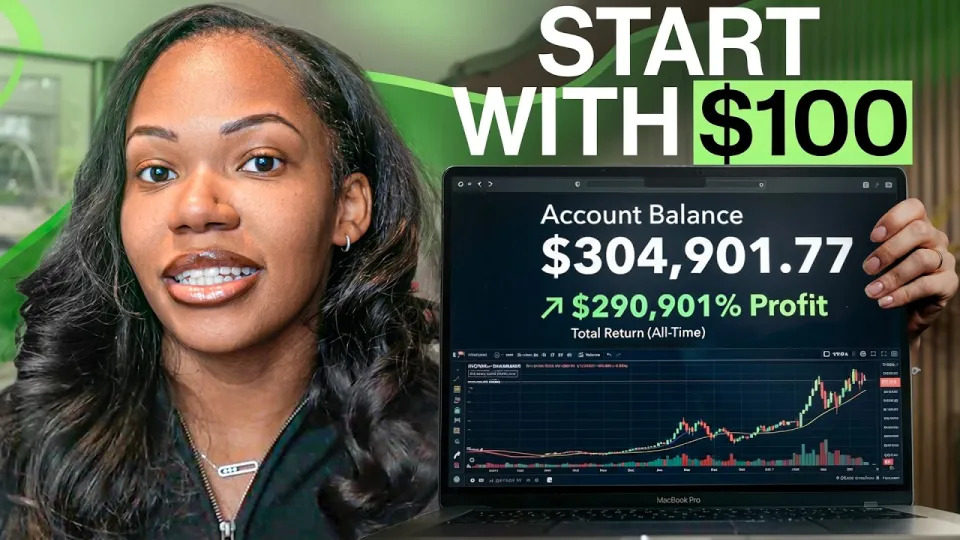
Video: How To Start Trading As A Beginner In 2026 (Step-by-Step)
Need articles like this for your video? They help promote it on YouTube and Google — order them in the Telegram bot @sat_sit_bot. The bot writes and publishes the articles itself (with your YouTube video embedded) on popular topical websites (no ads). Try it free: 50 articles on us.
· based on the channel Sierra Aaliyah
Key takeaways
- Start with $300 to $2,000, no large capital needed
- Paper trading is crucial before using real money
- Understand calls vs puts and options vs futures
- Use Webull for brokerage and TradingView for charts
- Master three core trading concepts early on
Trading is the act of buying and selling financial instruments like stocks, options, and futures to profit from market movements. To start trading as a beginner in 2026, follow these 7 essential steps to build a solid foundation without overwhelming jargon or unrealistic expectations. For guided learning and community support, consider joining a trading discord like Crystal Academy which offers mentorship and resources.
1 Understand What Trading Actually Is
Trading is not gambling or a get-rich-quick scheme; it is a skill that requires patience, discipline, and learning. It involves analyzing market data and making informed decisions to buy or sell assets. The goal is to grow your capital over time by capitalizing on price fluctuations. This differs from investing, which is typically longer-term and more passive.
2 Learn the Basics of Calls, Puts, Options, and Futures
Options trading involves contracts that give you the right, but not the obligation, to buy (calls) or sell (puts) an asset at a set price before expiration. Futures are agreements to buy or sell assets at a future date and price, often used for commodities or indexes. Beginners should understand these distinctions to choose the instrument that fits their schedule and risk tolerance.
3 Choose the Right Trading Platform and Broker
Using the right tools is vital. Webull is a popular brokerage that offers commission-free trading and useful features suitable for beginners. For charting and technical analysis, TradingView is highly recommended. These platforms provide the interface and data needed to execute and monitor trades effectively.
4 Start with Paper Trading to Build Confidence
Paper trading means practicing trades with virtual money, which helps you learn market behavior and test strategies without risking real capital. If you can consistently double $1,000 in paper trading, you can consider trading with real money. This step is crucial in preventing early losses and developing discipline.
5 Master Three Core Concepts Before Trading Real Money
Focus on learning:
- How to read candlestick charts to interpret price action.
- Market structure to understand trends and reversals.
- Trading psychology to manage emotions and avoid impulsive decisions.
- These fundamentals create a strong base for sustainable trading.
6 Manage Your Risk and Set Realistic Capital Requirements
You do not need $10,000 or more to start trading. A starting capital between $300 and $2,000 is sufficient. Always use stop-loss orders to limit losses and never risk money you cannot afford to lose. Risk management is often why beginners quit; controlling losses keeps you in the game longer.
7 Overcome Common Beginner Challenges and Stay Consistent
Many beginners quit within the first two months due to losses, frustration, or unrealistic expectations. Trading success requires consistent study, patience, and gradual improvement. Avoid chasing quick profits or reacting emotionally to every market move. Engage with communities or mentorships for support and accountability.
Useful Links
- Crystal Academy trading mentorship and community: https://whop.com/c/crystal-academy/youtube
- Webull brokerage signup with free stocks: https://www.webull.com/k/SierraUSA
- Sierra Aaliyah Instagram: https://www.instagram.com/sierra.aaliyah/
- Sierra Aaliyah TikTok: https://www.tiktok.com/@sierraxliyah
Final Thoughts
Starting trading as a beginner in 2026 is accessible with the right approach, mindset, and tools. By understanding what trading entails, practicing with paper trading, and focusing on core concepts, beginners can build a path toward consistent profitability. The journey requires patience and discipline but can be rewarding. For those who want structured guidance, Sierra Aaliyah’s Crystal Academy offers valuable mentorship and community support. Explore the links provided to begin your trading journey today.
Source: How To Start Trading As A Beginner In 2026 (Step-by-Step) · Markdown version
Questions & answers
Is $300 enough to start trading successfully?
Yes, starting with $300 to $2,000 is recommended for beginners. This amount allows you to learn risk management and trading skills without exposing yourself to excessive risk.
What is the difference between calls and puts in options trading?
Calls give you the right to buy an asset at a set price before expiration, while puts give you the right to sell. Understanding these helps you decide how to trade based on market expectations.
Why do most beginners quit trading within the first two months?
Many beginners quit due to losses, impatience, and lack of proper risk management. Emotional reactions and unrealistic profit expectations lead to frustration and quitting.
How important is paper trading before using real money?
Paper trading is crucial as it lets you practice strategies and understand market behavior without risking capital. Consistent success on paper is a good indicator before trading with real funds.